Leaftide Testing and Quality: Badges, Maker and Missing Lab Reports
Quick answerLeaftide graphics carry a GMP seal and an FDA registered facility badge, but no facility, audit or certificate number backs them, so we treat both as brand badges. Supplements never get FDA approval before sale. The bottle shows an AGORIA logo, but no maker's name. No lab certificate is published; lot L-26/LE-6819 and CoA L-6819-26-LE are references only.
- Refund terms shown at checkout
- Shipping cost shown before you pay
Is Leaftide FDA approved or GMP certified?
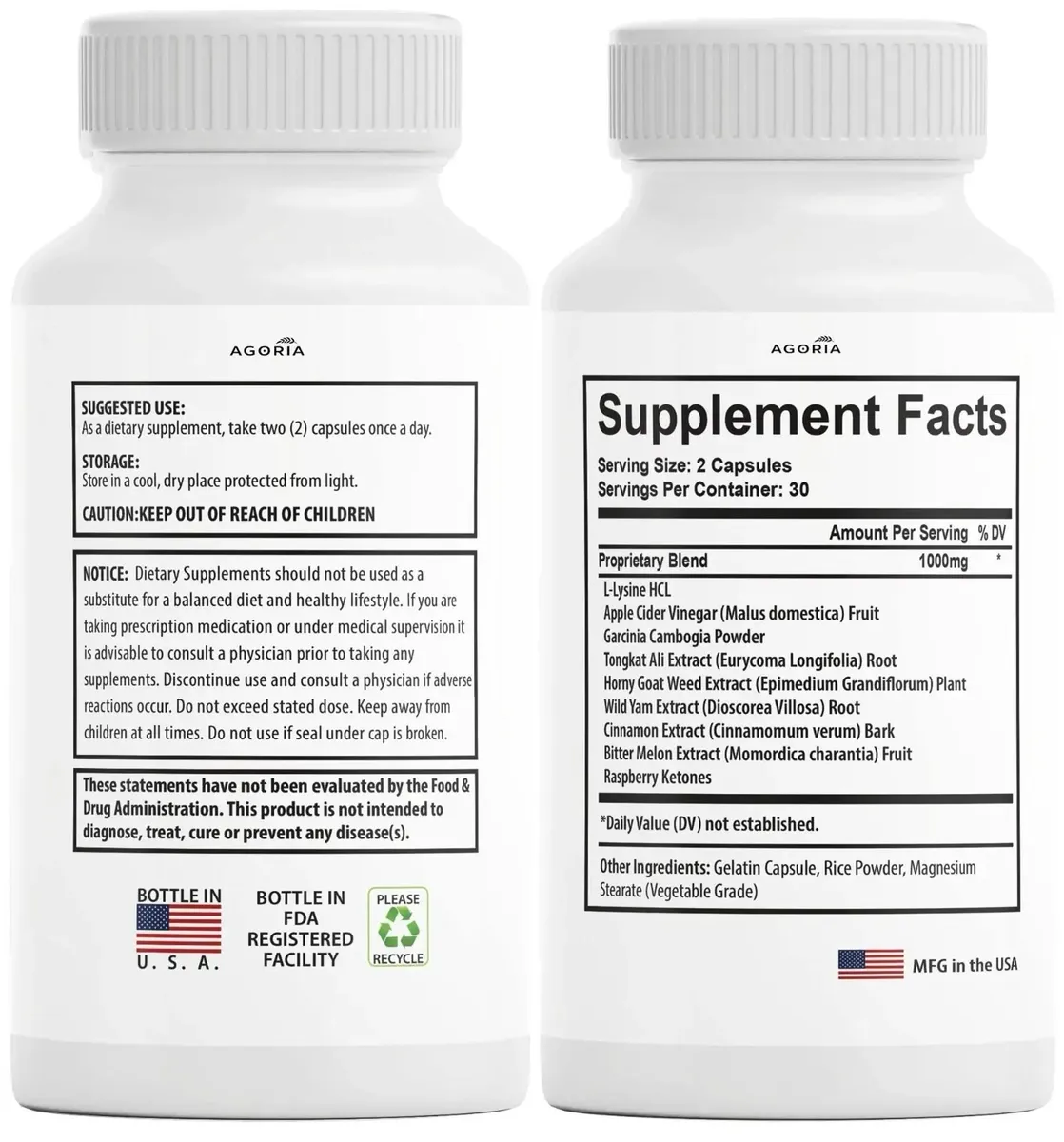
Neither claim can be confirmed. Leaftide is not FDA approved, and no supplement is: the agency has no authority to approve them before sale (FDA, Q&A on Dietary Supplements). The disclaimer on the back label points the same way.
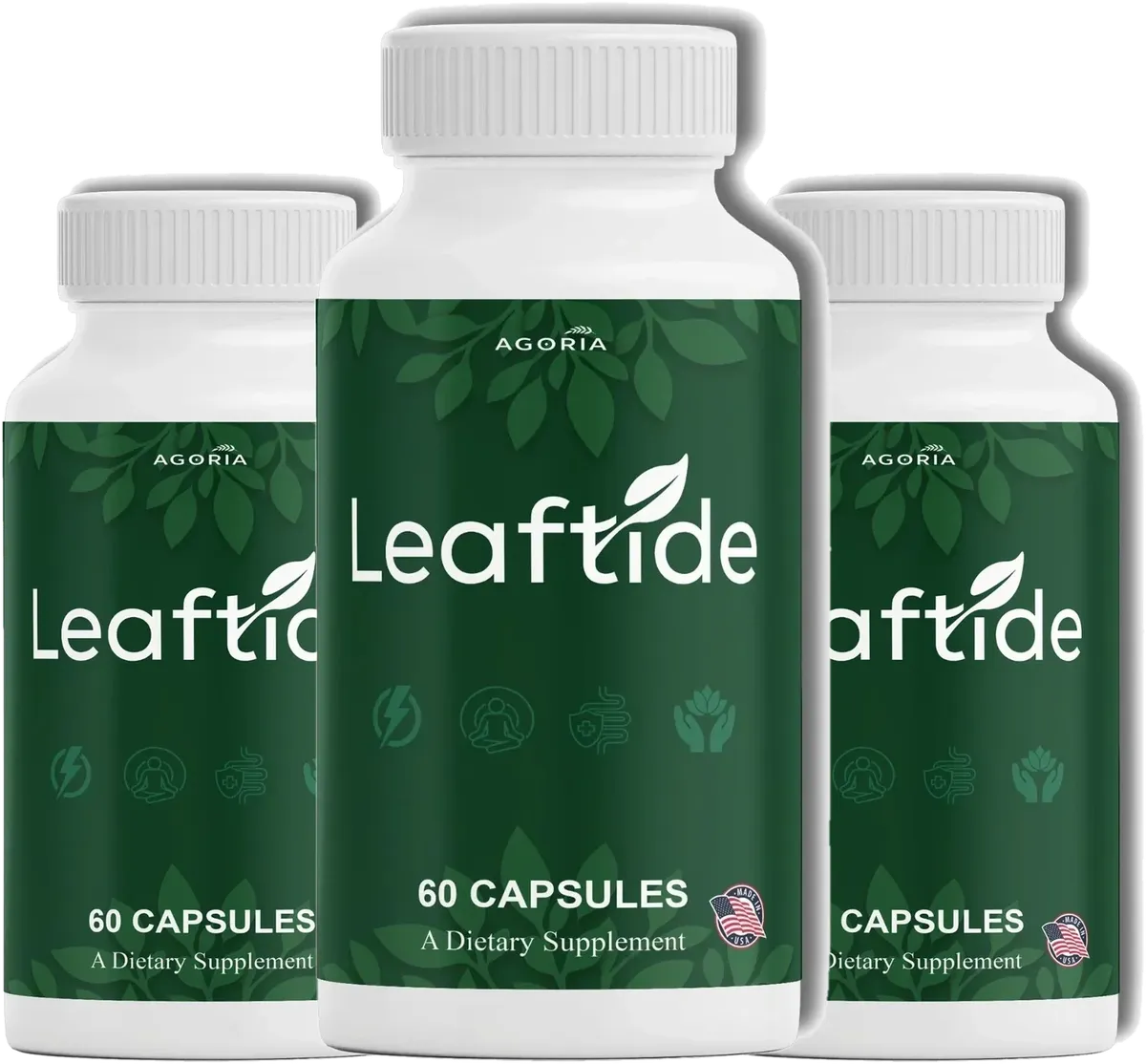
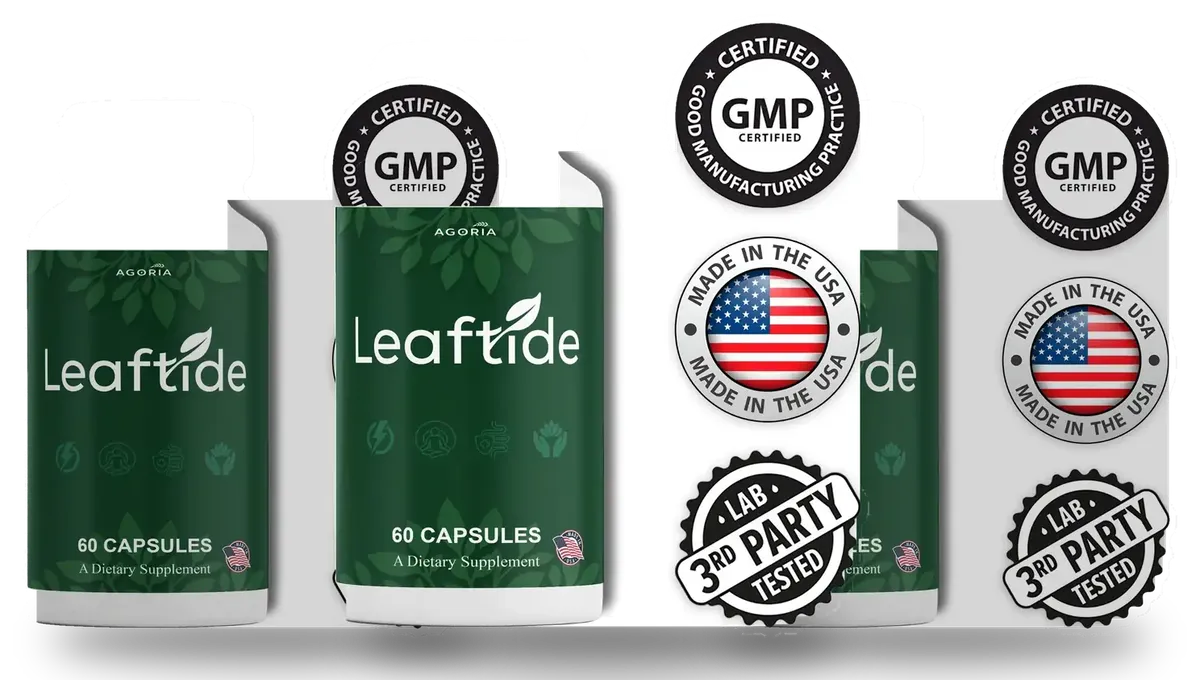
Three seals appear in the brand artwork, each one printed by choice of the brand. None comes with a facility name, an audit date or a certificate number, so we describe them as badges and nothing more.
A brand badge. It refers to the FDA's supplement manufacturing rules. No facility or certificate number is published.
A brand badge. The back label says “Bottle in FDA registered facility”. A facility listing is not FDA approval, and the facility is not named.
A brand badge. The refund window is printed on the sales page, not in our files.
What does the FDA registered facility badge actually say?
The exact words on the back label are “Bottle in FDA registered facility.” That describes where the bottle was filled. It says nothing about whether the FDA reviewed the capsules or the formula.
Any plant making food or supplements for American shoppers has to sign up with the FDA. Think of it as an address on file. Being listed does not mean the plant passed an inspection, and it does not mean the product was cleared.
Registration is not approval
A registered facility is a building on a list. The facility behind this badge is not named, so no one outside the company can look it up.
What does the GMP seal refer to?
The letters are short for Good Manufacturing Practice. In the supplement world, the term covers a set of FDA rules for each stage from mixing to packing and storage. Under them, makers must check that an ingredient is what it claims to be, at the right strength and free of contaminants.
Some independent groups audit plants against those rules and issue certificates with numbers. The Leaftide GMP seal has no such number, and no auditor is named. It may be accurate. We simply cannot check it.
Who makes Leaftide?
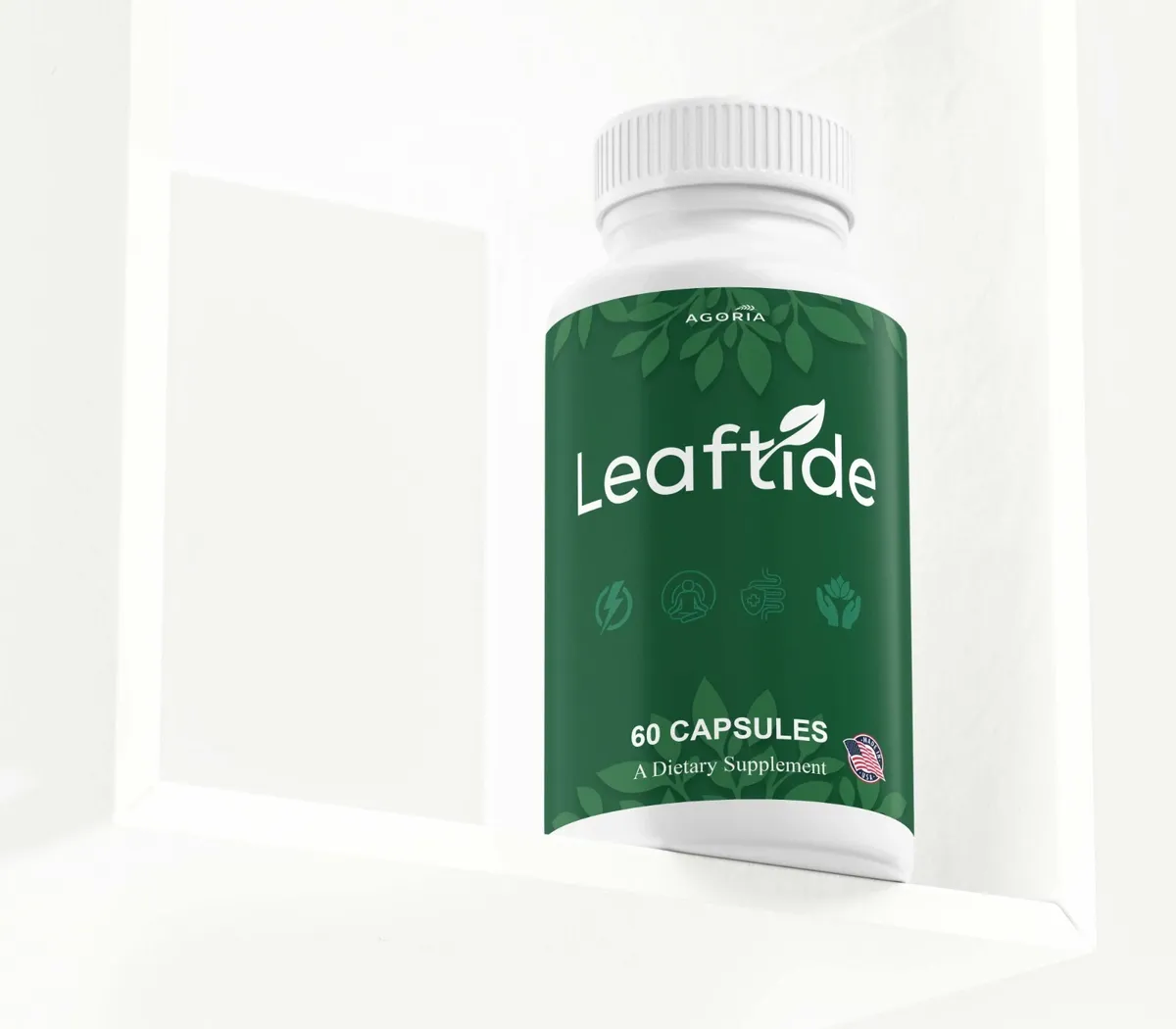
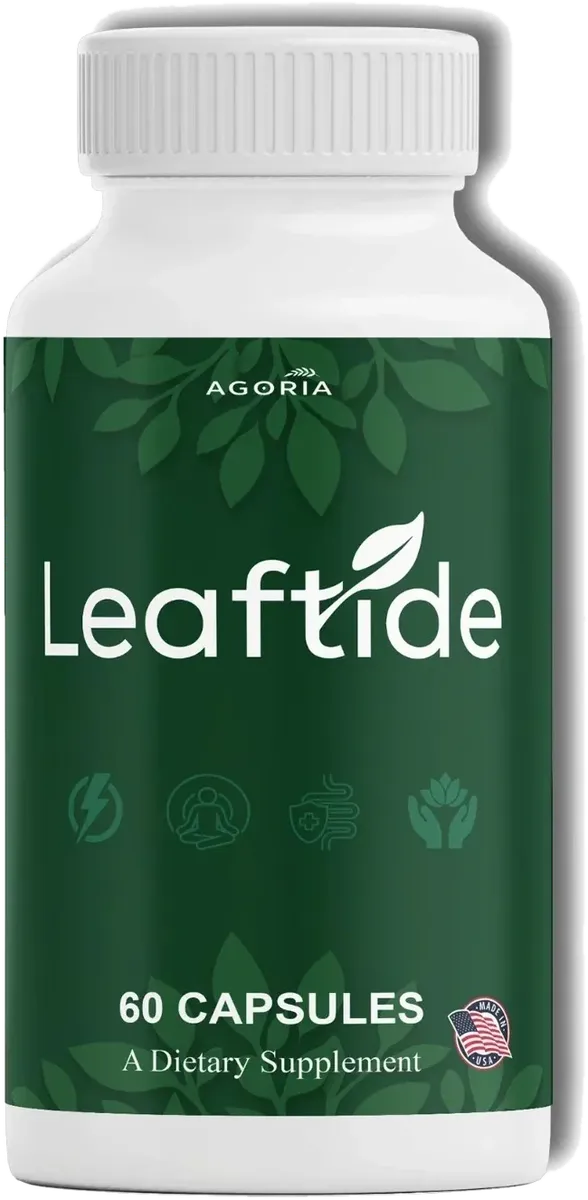
Whoever produces the capsules goes unnamed in our images. Look closely and you will see an AGORIA logo and the words “MFG in the USA.” No factory, city or phone number for the maker is printed.
This site is run by Leaftideformula, a U.S. Leaftide information site and stocking partner. We have no link to the factory and no inside view of how it runs.
Other products use the Leaftide name. An eBay listing shows Leaftide weight-loss capsules under a different brand with a turmeric-led formula. Leaftide powders are listed on Amazon and Walmart. The where to buy page shows how to tell which one is which.
Why does a lab certificate matter so much here?
Weight-loss and sexual-health supplements have a track record of problems. The FDA keeps a public list of weight-loss products found to contain hidden drug ingredients (FDA, Tainted weight-loss products). Buyers had no way to see those drugs on the label.
Tongkat ali, fourth in the Leaftide blend, has its own history. Operation Supplement Safety reports that some tongkat ali products were found with heavy metals or hidden sildenafil (OPSS, Tongkat ali). Apple cider vinegar capsules and powders have inconsistent labels, and their safety has not been studied (OPSS, Apple cider vinegar supplements).
A certificate of analysis from an independent lab would answer these doubts batch by batch. It would show identity, strength and contaminant results. So far, no such report exists in public for this capsule.
- 9blend ingredients on the label
- 0lab certificates published
- 1lot reference on file
Which quality documents are published and which are not?
Nine items a buyer could reasonably request appear below. The label covers two in full, a third exists only as a number, and six are absent.
| Document | Status | Where | Why it matters |
|---|---|---|---|
| Supplement Facts panel | Published | Front and back label images | All nine blend items, the 1,000 mg total and fillers |
| Directions and warnings | Published | Back label image | Dose, storage, medicine notice, seal note |
| Lot reference | Reference only | L-26/LE-6819 | Names a batch; no data attached |
| Certificate of analysis | Not published | L-6819-26-LE | A reference number with no report behind it |
| Per-ingredient amounts | Not published | Hidden in the proprietary blend | Only the order and the total are known |
| HCA percent in garcinia | Not published | Not on the label | Key for comparing with research doses |
| Heavy metal or microbe tests | Not published | None in our files | Would show contaminants, if any |
| Factory name and address | Not published | Badges only | Needed to check the GMP and FDA claims |
| Maker's name | Not published | AGORIA logo on the bottle | Who stands behind the product |
If any missing document is released, we will link it here and move the “Last updated” date forward. The editorial standards page explains how corrections work.
What about the 3rd party tested badge in the product photos?
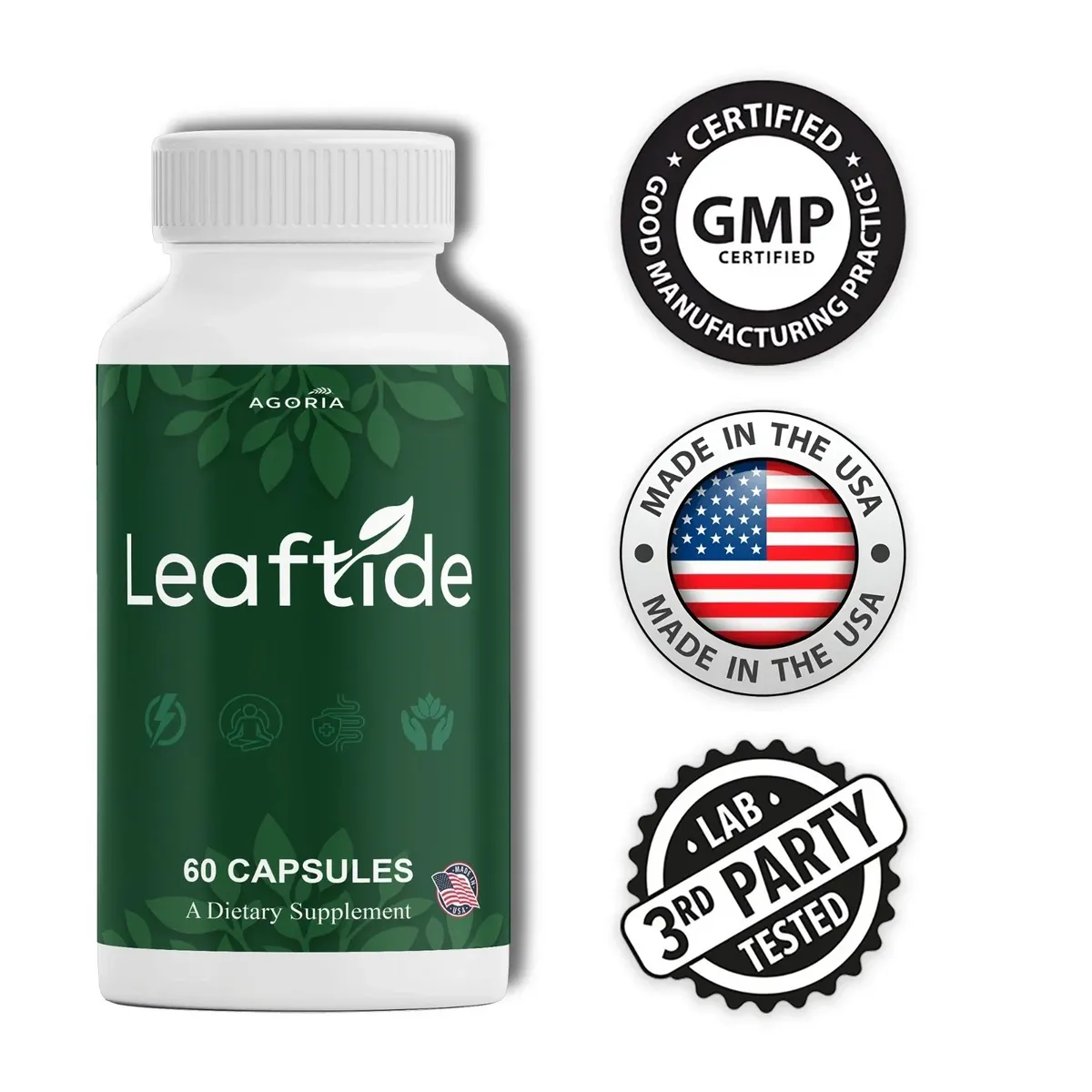
Some brand product images also show “GMP certified”, “Made in the USA” and “Lab 3rd party tested” badges. No certificate, lab name or test report is published, so we treat them as brand badges, not verified tests.
A real third-party test names the lab, the lot and the date. Ask the order desk for that report before you buy. If nobody can send it, read the badge as decoration.
What quality clues does the label itself give?
Some small details on the panel are worth noticing. It names the cinnamon as Cinnamomum verum, the Ceylon type, which holds very little coumarin (NCCIH, Cinnamon). It marks the magnesium stearate as vegetable grade. It prints a seal note and a do-not-exceed line.
What the label leaves out is just as telling. Single amounts sit inside one 1,000 mg total, so the split below shows only the most each item could weigh. That format is legal under federal labeling rules, which only ask for weight order and a total (21 CFR 101.36).
- L-Lysine HCL At least 111 mg
- Apple Cider Vinegar Up to 500 mg
- Garcinia Cambogia Powder Up to 333.3 mg
- Tongkat Ali Extract Up to 250 mg
- Horny Goat Weed Extract Up to 200 mg
- Wild Yam Extract Up to 166.7 mg
- Cinnamon Extract Up to 142.9 mg
- Bitter Melon Extract Up to 125 mg
- Raspberry Ketones Up to 111.1 mg
Honest note: a clean capsule is not proof it works
Even a perfectly made capsule can fall short on results. Garcinia showed little to no effect on weight at 1,000 to 2,800 mg of HCA a day (NIH ODS, Weight-loss supplements), far more than Leaftide can hold. Raspberry ketones were never tested alone in people. Nobody has run a published study on Leaftide as a finished product.
Quality also does not remove interaction risks. Ask your doctor first if you take diabetes, blood pressure, heart or nitrate medicine, blood thinners or hormone therapy. The side effects page spells out symptoms that mean stop.
What would make the quality story stronger?
Trust grows when claims can be checked from outside. Each item below would give buyers that chance.
Documents we would like to see
- A certificate of analysis from an independent lab, matched to a lot number
- Heavy metal and microbe results for each batch
- Proof that tongkat ali and horny goat weed were screened for hidden drugs
- The HCA percent of the garcinia powder
- The name and address of the maker and the GMP facility
Until then, you can still check your own bottle. The batch verify page covers the seal, the lot code and the label match. Every word of the panel appears as text on the Supplement Facts page.
Leaftide testing and quality FAQ: questions people ask
Is Leaftide FDA approved?
No. Supplements are sold without FDA sign-off, and the back label prints the usual FDA disclaimer to that effect.
Is Leaftide made in an FDA registered facility?
The back label says the bottling took place in an FDA registered facility. Since the plant goes unnamed, there is nothing to look up, and being on the FDA's list says nothing about the capsules.
Is Leaftide GMP certified?
A GMP seal appears on the brand graphics, but no facility, auditor or certificate number is published. We call it a badge, not a verified certification.
Is Leaftide third-party tested?
No independent test report has been released. The CoA reference L-6819-26-LE has no document attached in our files.
Who makes Leaftide?
No company name or address appears on the label images. An AGORIA logo is printed on the bottle, and our files hold nothing more.
Is Leaftide made in the USA?
The panel says MFG in the USA, and the badges say Bottle in U.S.A. No factory name or city is printed.
Why do other Leaftide products look different?
Different products use the name. An eBay listing shows Leaftide capsules with another brand and a turmeric-led formula, and Leaftide powders appear on Amazon and Walmart.
Can weight-loss supplements contain hidden drugs?
Yes, some have. The FDA keeps a public list of weight-loss products found with hidden drug ingredients, which is why lab testing matters.
Is Leaftide gluten-free or vegan?
It is not vegan or vegetarian, because the capsule is gelatin. Gluten-free status is not stated on the label images.
Ready to try Leaftide?
2 capsules a day, 60 per bottle, with the full label shown on this site. Prices and refund terms appear at checkout. On medicine, pregnant or with liver disease? Talk to your doctor first.