Raspberry Ketone Supplement: What the Research Says and What Leaftide Holds
Quick answerNo one knows, because raspberry ketone has never been tested on its own in people. NIH says the only human studies used combination products, so its effect and safety alone are unknown. In Leaftide, raspberry ketones sit last in the 1,000 mg blend, at most about 111 mg per serving. Ask your doctor before trying it.
- Refund terms shown at checkout
- Shipping cost shown before you pay
What are raspberry ketones?
Raspberry ketone is the natural compound that gives red raspberries part of their scent. Food makers have used it as a flavor for years. Weight loss brands later began selling it in capsules, often with bold claims about fat.
The fruit holds only tiny amounts. So the ketone in supplements is usually made in a lab. That is common for flavor compounds and not a problem by itself. The real question is whether the capsule does anything for weight in people.
- 0human trials of raspberry ketone alone
- 9thplace in the Leaftide blend
- 111 mgmost it can weigh in Leaftide
- Unknownsafety on its own, per NIH
Do raspberry ketones work for weight loss?
We do not know if raspberry ketones work, because they have never been tested alone in people. The NIH Office of Dietary Supplements says the only human studies used combination products (NIH ODS, Weight-loss supplements). In those, raspberry ketone was mixed with several other ingredients.
NIH concludes that both the effect and the safety of raspberry ketone alone are unknown. That is a gap, not a finding. It means the claims on many labels and ads run ahead of the science.
Why mixed products cannot answer the question
When a pill holds five ingredients, a result cannot be traced to any one of them. If people lose a little weight, it may come from another ingredient, or from the diet advice given with the study. To learn what one ingredient does, a trial has to test it alone against a dummy pill.
What is known and unknown about raspberry ketones?
It helps to split what is known from what is not. The table keeps the two apart.
| Question | What we know | What we do not know |
|---|---|---|
| Effect on weight | Only studied inside mixed products | Whether it does anything alone |
| Safety | No human safety data for it alone | Side effects, safe dose, long-term use |
| Dose | No dose tested alone in people | Any dose shown to work in people |
| Interactions | Not well studied | How it acts with common medicines |
| Source | Usually lab-made, sold as a flavor | Whether purity varies by brand |
Why don't lab and animal studies settle it?
Much of the early buzz around weight ingredients starts in test tubes and animals. Those studies are useful for ideas, but they often fail to carry over to people. A dose that changes fat cells in a dish may be far more than anyone could swallow.
Animals also differ from us in how they absorb and break down compounds. That is why health agencies look for trials in people before calling anything effective. For raspberry ketone alone, those trials have not been done.
What a good trial would look like
A useful study would give raspberry ketone alone to one group and a dummy pill to another. It would run for months, track weight and side effects, and include enough people to trust the result. Until then, any claim is a guess.
Are raspberry ketones safe?
Unknown safety is not the same as proven danger. It simply means no one has checked with care. For a product you might take every day for months, that is worth weighing.
Be extra careful if you are pregnant or breastfeeding, have a heart condition, or take several medicines. In those cases, an untested ingredient adds uncertainty you do not need. Ask your doctor or pharmacist before you start.
Stop and call
Stop any weight product and call your doctor if you notice a racing or irregular heartbeat, dizziness, dark urine or yellow eyes. Chest pain or fainting: call 911.
Who should skip raspberry ketones?
Talk to your doctor before trying raspberry ketones if
- You are pregnant, trying to get pregnant or breastfeeding
- You have a heart rhythm problem or high blood pressure
- You take several prescription medicines
- You have liver or kidney disease
- You have had a bad reaction to a weight-loss product before
None of these means raspberry ketone is known to harm you. It means the risk is unknown, and in these cases unknown is a poor bet.
How to judge a raspberry ketone claim
Raspberry ketones became a staple of weight loss ads because they are cheap, easy to make and sound natural. The word “ketone” also borrows the buzz of low-carb diets, even though the two have nothing to do with each other.
The FTC says health claims in ads must be backed by competent and reliable scientific evidence (FTC, Health Products Compliance Guidance). For raspberry ketones, that evidence does not exist in people yet. An ad that says “clinically proven fat burner” is making a claim the research cannot support.
How much raspberry ketone is in Leaftide?
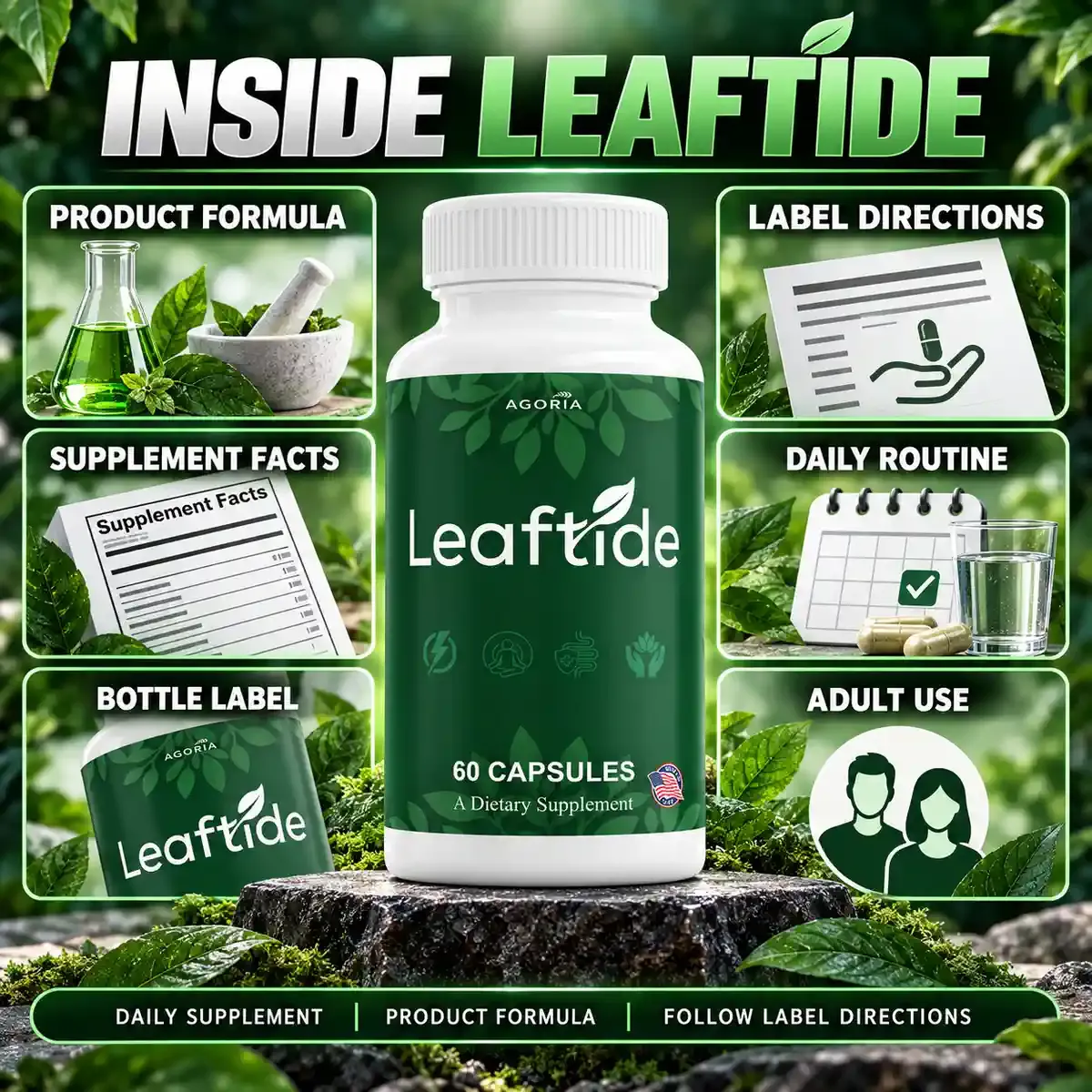
Leaftide lists raspberry ketones last, ninth of nine items in its 1,000 mg proprietary blend. Under the label-order rule, the last item can weigh no more than 1,000 ÷ 9, or about 111 mg. The real amount is not printed. You can see where it sits on our raspberry ketones section of the ingredients page.
The blend also holds garcinia cambogia, which NIH says had little to no effect on weight even at high doses (NIH ODS, Weight-loss supplements). Our post on whether garcinia cambogia works covers that research.
Honest note
Raspberry ketone in Leaftide is an untested ingredient at an unknown dose. No trial of Leaftide has been published. If you decide to try it, treat it as optional, keep up the habits that matter, and ask your doctor first if you take medicine.
What should you try instead?
Fresh or frozen raspberries are a better bet than the ketone. They are rich in fiber and water, which help you feel full for few calories. Add them to yogurt, oats or a salad. A cup of berries also counts toward the fruit most adults fall short on, which is a benefit no capsule can match.
For the bigger plan, our weight basics guide covers eating pattern, activity, sleep and when to see a doctor. Before buying any weight product, run it through our buyer's checklist.
Raspberry ketones FAQ
Do raspberry ketones work for weight loss?
There is no good human evidence that they do. NIH says raspberry ketone has only been studied in mixed products, so its effect alone is unknown.
Are raspberry ketones safe?
Their safety on their own is unknown, according to NIH. That means nobody has shown they are safe or unsafe in people at supplement doses.
What are raspberry ketones made from?
Raspberry ketone is the compound that gives raspberries part of their smell. Supplements usually use a version made in a lab, since fruit holds very little.
How much raspberry ketone should I take?
No dose has been shown to work or to be safe in people. If you are thinking of trying it, talk to your doctor and do not exceed the label.
Can raspberry ketones help you lose belly fat?
No study in people has shown that. Claims about belly fat come from ads, not from human research.
Do raspberry ketones put you in ketosis?
No. Despite the name, raspberry ketone is an aroma compound and has nothing to do with the ketosis of a low-carb diet.
Why are raspberry ketones in so many weight loss pills?
They are cheap to make, sound natural and have been marketed hard for years. Popularity is not the same as proof.
How much raspberry ketone is in Leaftide?
The amount is not printed. Raspberry ketones are ninth of nine items in a 1,000 mg blend, so they can weigh at most about 111 mg per serving.
Are raspberry ketones the same as eating raspberries?
No. Whole raspberries bring fiber, water and nutrients, and they are a good food. A ketone capsule holds one lab-made compound.
How much raspberry ketone is in a Leaftide serving?
Raspberry ketones are the last item in the 1,000 mg blend, so label order sets a ceiling of about 111 mg per 2-capsule serving. The exact amount is not printed on the label.
Why is raspberry ketone safety described as unknown in Leaftide?
Raspberry ketone has never been tested alone in people. The only human studies used combination products, so its effect and safety on its own are unknown. Talk to your doctor before trying Leaftide.
What is raspberry ketone in a supplement?
Raspberry ketone is a compound found in red raspberries and used in many weight loss products. In Leaftide it is one of nine blend items, at most about 111 mg per serving.
Want the full Leaftide label before you decide?
See all nine blend items in order, ask your doctor if you take medicine, and read the price and refund terms on the checkout.